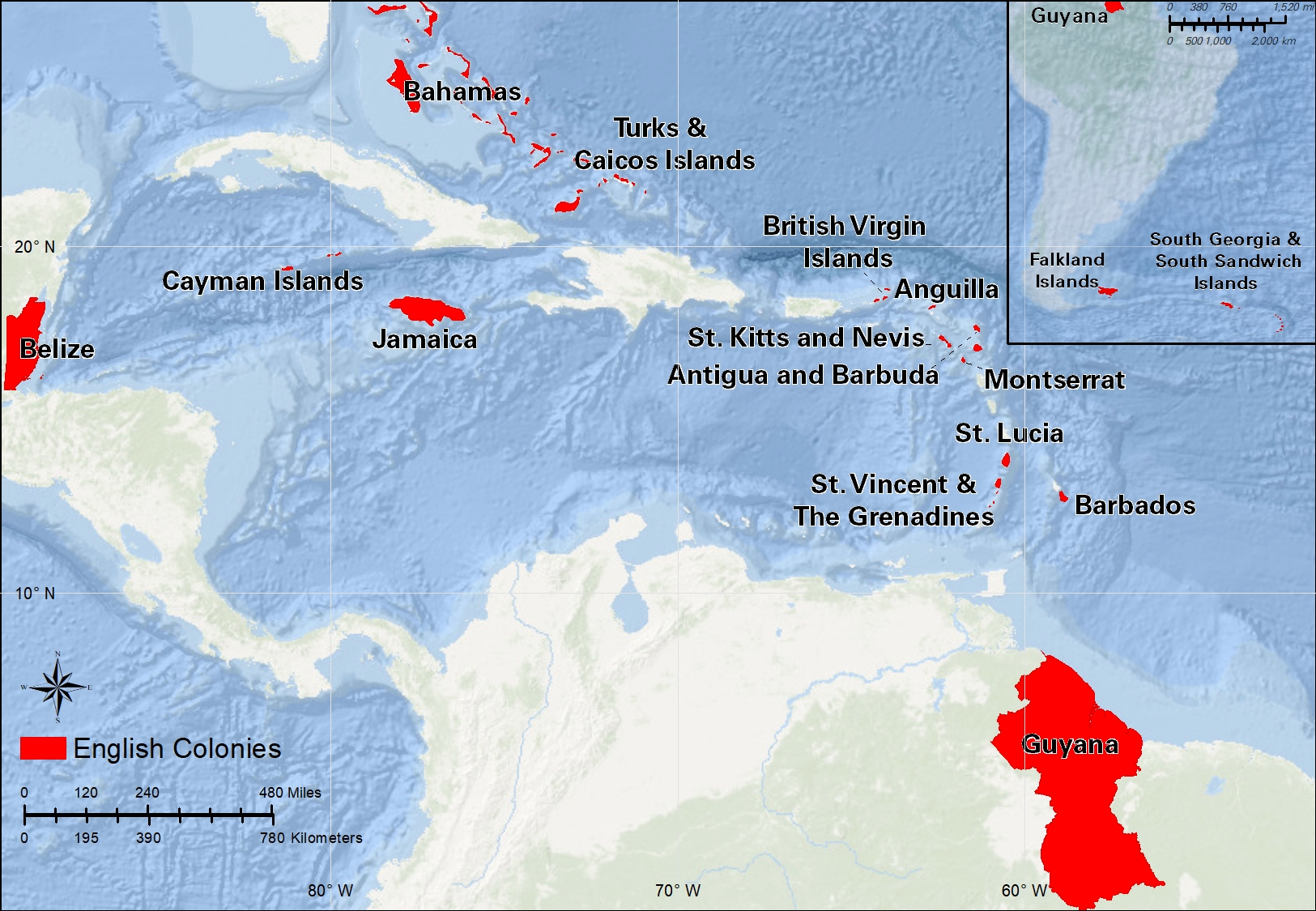
The West Indies — the Caribbean — including Jamaica,
Antigua, Trinidad, and Barbados, was the epicenter of British
slavery. Elsewhere, British slavery existed in Mauritius, British
Guiana, among other British colonies.
Image: (Wandersen, 2020).
The Movement
Enlightenment, Religion, Slavery
Image: Immanuel Kant and his contemporaries, whose work, beliefs and values are at the root of Enlightenment thinking (Doerstling, 1900).
“Poor Hetty, my fellow slave…I used to call her my Aunt…her death was hastened…by the dreadful chastisement she received from my master during her pregnancy.”— Mary Prince in her book The History of Mary Prince, a West Indian Slave (Prince, 1831).
“Owing to the boils in my feet, I was unable to wheel the barrow fast through the sand…and my master…rendered them far more intolerable, by chastising me for not being able to move so fast.”— Mary Prince, former slave in the British West Indies (Prince, 1831).
Driven by the Enlightenment shifting morals in the late 18th
century, many internalized slaves' inhumane treatment.
Image: Engraving of the differences between France (left half) and Britain (right) after the enlightenment (Gillray, 1789).
“While Enlightenment thought fostered critiques of slavery, the evangelical sense of sinfulness and desire for redemption was the key impulse that converted anti-slavery sentiment into abolitionist action.”— Anthony Page, a professor and PhD in British history and the University of Tasmania (Page, 2011).
“In what manner are they procured? Part of them by fraud…The Christians, landing upon their coasts, seized as many as they found, men, women, and children, and transported them.”— John Wesley, cleric and theologian, in his book Thoughts Upon Slavery (Wesley, 1774).
“If men could be considered as possessions; if, like cattle, they could be bought and sold, it will not be difficult to suppose, that they could be held in the same consideration, or treated in the same manner.”— Thomas Clarkson, leading abolitionist, in his essay (Clarkson, 1786).
“They judged only from what they saw...that slaves were an inferiour order of men, and perfectly void of understanding.”— Thomas Clarkson (Clarkson, 1786).
(Slaves Cutting the Sugar Cane, 1823).